Cortijo Los Abedules
Self-Catering Accommodation, Cazorla, Jaén, Spain
Cortijo Los Abedules
Self-Catering Accommodation, Cazorla, Jaén, Spain
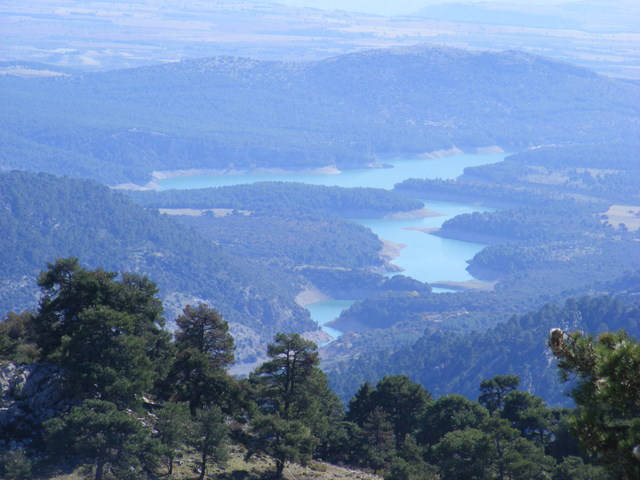
Perhaps the largest attraction to the area is Europe’s second largest National Park the “Sierra de Cazorla, Segura y Las Villas”. Reaching to above 2000 metres in altitude, the range itself provides a refreshing change to the typical Mediterranean landscape found in other areas of the region.
Its prime appeal includes the cultural delights of the city of Úbeda and the towns of Cazorla and Baeza. The stunning mountain town of Cazorla is the gateway to the mountains and national park.
Travellers come here, primarily looking for rural retreats, local culture, walking, mountain biking and mountain adventure activities.
Cortijo Los Abedules offers a unique opportunity to enjoy these sights.
With randomly winding, steep narrow cobbled streets, the town of Cazorla is a great start to getting the feel of the area. Here you will find welcoming people, abundant examples of the times gone by in the “Casco Antiguo” and plenty of shops within the newer, more commercial area. The pace of life here is very much “laid back and chilled out”, even by Andalucian standards!!
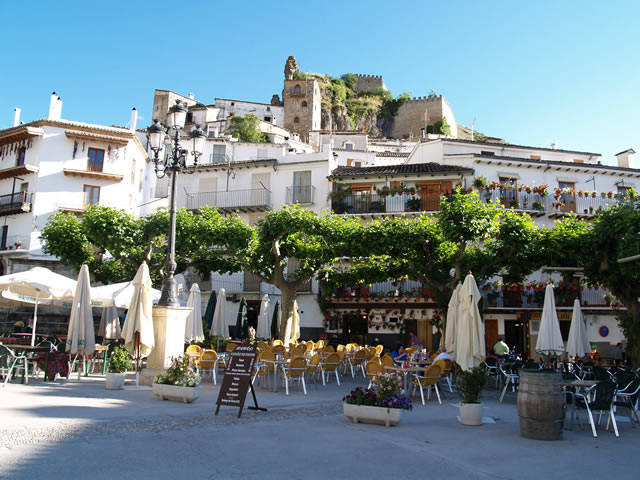
Cazorla provides ample interest to the inland traveller. The approach to the Town is, in itself, worth the experience, backed by the sheer mountainous jagged peaks coated in pine forests, their roots, gripping on precarious ledges.
Overlooking the town are the famous remains of the “Five Cornered Castle”. Tracks lead from some of the upper streets into the mountains backing the town making for some very pleasant, easy and convenient walks, without even needing to drive anywhere!
Near to the town of Cazorla lies the pretty village of La Iruela with its impressive castle and amphitheatre perched on a rock above in true “Andaluz” fashion giving access to one of the most popular National Park sites, El Chorro, a huge rock circle with plummetting walls of over 100 metres drop.
It is here where the traveller can view the nest settlement of the Leonardo Vultures and where the most spectacular sunsets can be experienced.
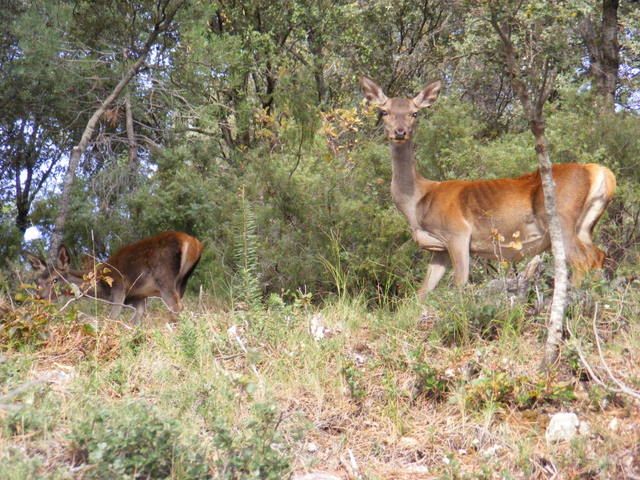
The main access to the National Park is located some 8 kilometres on from Cazorla at the village of Burunchel. From here the road winds up and up to 1260 metres above sea level and the mountain pass of “Puerto de las Palomas”. From this point on, a new world can be explored.
The National Park is source to one of Spain’s more famous principal rivers, the Guadalquivir. Winding down through the gorges and valleys of the range, the river extends all the way across Andalucia to Seville and from there southwards, opening out to the Atlantic at Sanlúcar de Barrameda. It is a primary source of water for many provinces of the south.
You will need a few days to just scratch the surface. The Park is riddled with an infinite number of forest tracks and trails suitable for both walking and mountain biking. Dense pine forests cover the mountain side whilst rivers & waterfalls carve out precipitous canyons and gorges filtering out to the alpine style “Tranco” dam for all to amaze at and enjoy. Ordnance Survey Maps can be purchased in Cazorla for more detailed routes.
In spite of its southerly location, the Mountains of Cazorla create a very special micro-climate resulting in cool mornings and evenings creating a pleasant climate in contrast to the midday heat during the summer months. Cazorla itself lies at an altitude of around 900 metres above sea level. During the winter, it is not uncommon to find snow covering the peaks and, on occasions, in the town of Cazorla itself.
Rural Tourism, mountains activities and Spiritual retreats are the prime alternative pursuits here whilst the traveller cannot avoid being stunned by the endless rolling hills of Olive groves.
Like any country, Spain wouldn’t be Spain without its assets and traditions - bull-fighting, the Costa’s, sherry & brandy production, Flamenco, Fiestas and olive growing to name but a few of the more commonly known ones.
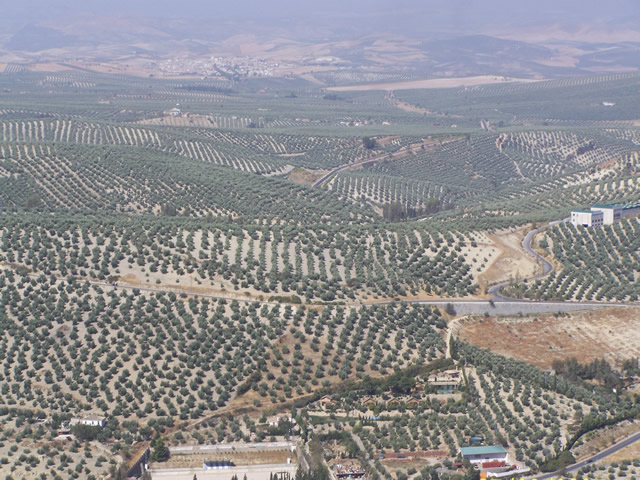
Whether it be on the vast plains, over the deep rolling hills and even stretching up the steep slopes of the mountains, the region is a dotted green latticework quilt. The earth colour here is predominantly a distinctive lime white giving everything a surreal brightness about it.
Many olive growing farms are more like mansions belonging to ancestral nobility of decades passed. Indeed, the growing of olives is the big industry next to Tourism. In some instances it can become an extremely cutthroat industry whereby, just owning one extra tree, viewed like gold dust, can make all the difference.
Whatever the lie of the terrain, one can only be impressed at the perfect lines of trees stretching out into the horizon, the spaces in between specifically measured to allow for maximum efficient growth.
Also noticeable is the ground around the trees, finely ploughed earth that is in turn smoothed over as butter on bread leaving little or no sign of any undergrowth or weeds. The importance of this is not to make things look pretty, but to prevent large cracks opening up in the ground during the hot days and letting the sun’s rays penetrate the cracks and damage the tree roots which then affect their general olive count production.
Pruning each year is also fundamental, the tree trunks themselves should be cleared of branches and the trees are then encouraged to grow as much outwards as upwards. A single young tree may be expected to provide 8-10kgs of olives during an average year. When that same tree reaches maturity, with the correct care and treatment, it can be expected to provide 80-100kgs of olives.
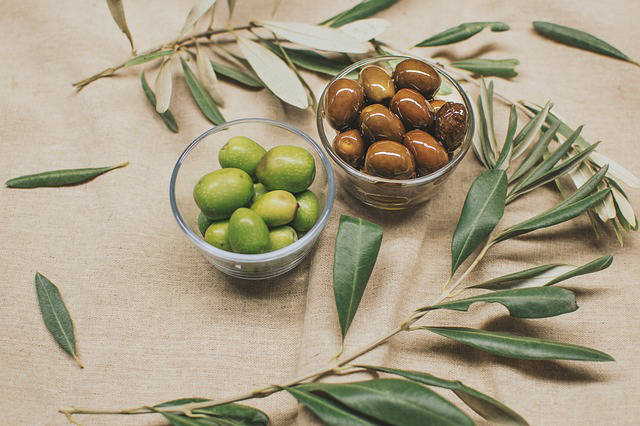
There are surprisingly, many varieties of olives, some for eating and others for converting to oil. The processes used for creating olive oil can perhaps be compared with the subtleties of wine making, especially in respect to the many grades of quality given their acidity & flavour all relative to that particular year’s climatic conditions. As with wine, olives have their good years and their bad years!! For example, as a result of a very wet and relatively cold winter in 2003/4, farmers are expecting minimal production this year. However, “superstition”, (and perhaps fact), has it that the land requires resting from time to time so whilst this year may be a poor year, the subsequent years are likely to reap the benefits!
Cultivating the olives takes place in December/January time. The traditional methods of collecting the olives, by beating the trees with sticks, has very much in the main been superseded by a petrol machine looking like an over-extended hedge trimmer. Using a large hook on the end of a metal shaft, it rigorously vibrates the branches causing the olives to drop into nets around the base of the trees.
They are then loaded into trailers and mostly taken to the local Co-Operative who takes charge of weighing them and then putting them through the processes of making oil or preparing them for eating.
If you find yourself eating olives or using olive oil, the chances are that it will come from this province or even Cazorla itself!
Come and see for yourself!
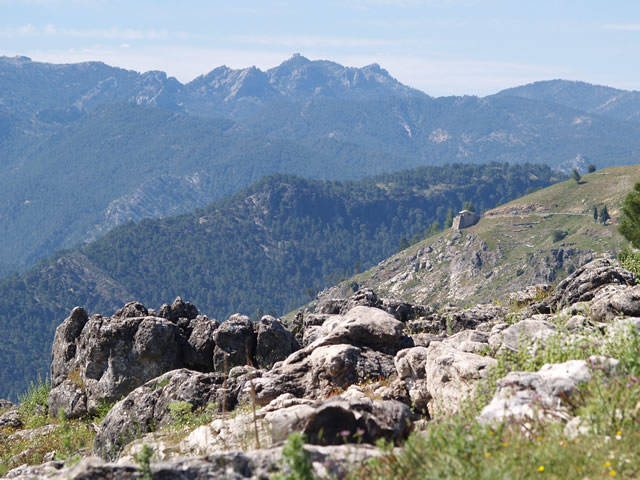
There are numerous outdoor pursuits open to the traveller:
For more details, see Parque Natural Sierra de Cazorla, Segura y Las Villas
Multi-adventure activity days - for the more adventurous:
Cultural & Historic City Tours
To ensure you get booked in, we can make reservations on your behalf for any of the above, (particularly during the busy summer months!)